

How data-driven culture and leadership development creates lasting behaviour change
In Part 1 of this series, we made a simple case: data must come before decisions.
Because when culture is strained, trust is low, or turnover is rising, internal opinion becomes unreliable — not because people are dishonest, but because honesty feels unsafe.
If you haven’t read Part 1, start here: Team Building in 2026: Why Data Comes Before Decisions.
Now comes the harder (and more profitable) question:
What do you do with the data once you have it?
Because collecting feedback is not leadership.
Interpreting it, acting on it, and sustaining change over time is.
If you want 2026 to be different, your organisation doesn’t need more “initiatives”.
It needs a system.
The Team Building Ecosystem (What We Mean at Premier)
At Premier Team Building, team building isn’t a stand-alone event.
It’s an ecosystem — Leadership Development, Culture Development, and Team Development working together, intentionally, over time.
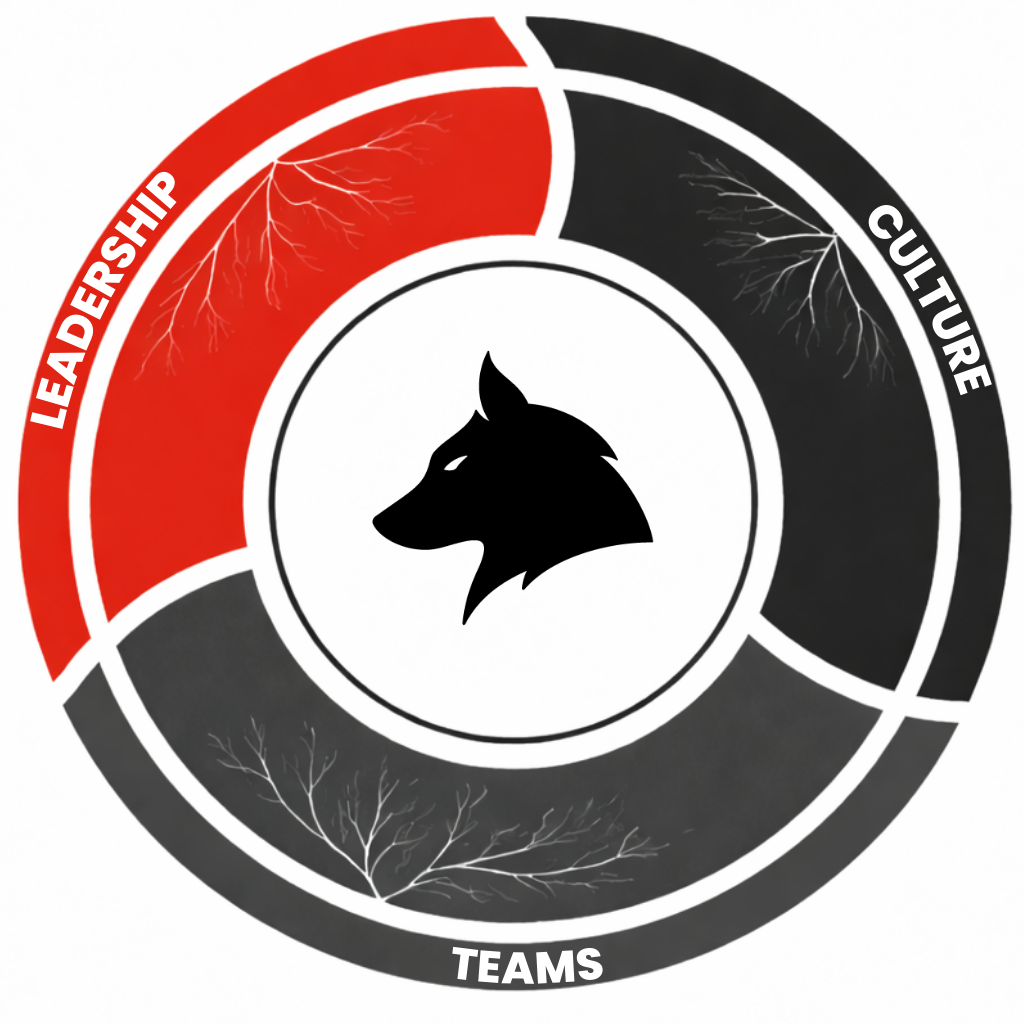
When those three elements align, you don’t just get a “better day out”.
You get a healthier, happier, higher-performing organisation — a thriving culture ecosystem where people know what’s expected, leaders lead consistently, and teams collaborate with trust and accountability.
That’s the difference between:
- Moments (a good workshop)
- and Patterns (a culture that improves, holds, and scales)
Why One-Off Team Building Doesn’t Stick
Let’s say it plainly:
A single team building day can be fun.
It can even be valuable.
But on its own, it rarely changes culture.
It’s the organisational equivalent of going to the gym once or twice a year. Or choosing Salad and Veg not Chips and Mash with your schnitty that one time.
You might feel motivated for a week or proud of eating your greens this week.
But it won’t override months of ingrained habits, unclear decisions, inconsistent leadership, or “emails first… we’ll touch base soon” being the default operating system.
Culture doesn’t shift through moments.
It shifts through patterns.
That’s why we build ecosystem-based programs — not one-off fixes.
A Practical Example: How External Data Creates an Unbiased Plan
Here’s a composite example based on common patterns we see in Australian workplaces (names and details changed).
The Situation
A mid-sized organisation with a capable leadership group — but:
- Voluntary turnover creeping up
- Managers stretched thin
- HR stuck managing issues instead of building capability
- Engagement survey comments becoming vague, cautious, and increasingly “safe”
- Surveys were completed faster, without any insight as time went on
On paper, everything looked fine.
But inside the organisation, there was a familiar dynamic:
leaders were hearing “we’re fine” — while HR was feeling the heat.
They didn’t need another generic initiative.
They needed clarity without politics.
So they came to us at Premier Team Building to run the data externally — to keep bias out, increase honesty, and get a clear picture of what was really happening.
Step 1: We Gathered the Right Data (Externally, Anonymously)
To reduce internal filtering and fear, we used multiple data sources:
1) 360-degree leadership reviews (anonymous)
This revealed a consistent gap between leadership intent and leadership impact — particularly around communication, decision clarity, and psychological safety.
2) Exit interview themes
At first glance, many comments sounded “minor”: unclear priorities, inconsistent standards, “small” frustrations about communication and workload. We used, and collated the responses over time to reveal a pattern of neglect.
But repetition and detail told the real story.
When a small issue takes up a lot of space, it’s rarely small.
It’s a wound that’s been left untreated.
3) Culture audit insights
This clarified the cultural ecology — the behaviours being rewarded, tolerated, and repeated (often unintentionally).
The organisation finally had what they’d been missing:
A clear, evidence-based view of what to change — without guesswork, politics, or bias.
Step 2: We Turned Insight Into a Practical Plan
This is where many organisations stall.
They gather feedback… and then do nothing meaningful with it.
Or they run training with no integration plan and wonder why nothing changes.
“The data says they aren’t happy… PUB FEED IT IS!!”
So, we built the plan using a simple (but disciplined) framework:
1) Outcome goals
Clear, measurable outcomes such as:
- Reduce regrettable turnover by X%
- Improve leadership consistency
- Lift psychological safety indicators
- Reduce escalations landing in HR
2) Behaviour goals
Because culture is behaviour.
For example:
- Leaders communicate decisions with context, not just instructions
- Managers address issues early rather than letting them fester
- Teams hold each other accountable respectfully, without avoidance
3) Non-negotiables
What will no longer be tolerated or brushed off.
Because what you tolerate becomes your culture.
The Premier Team Building Ecosystem (How Change Actually Sticks)
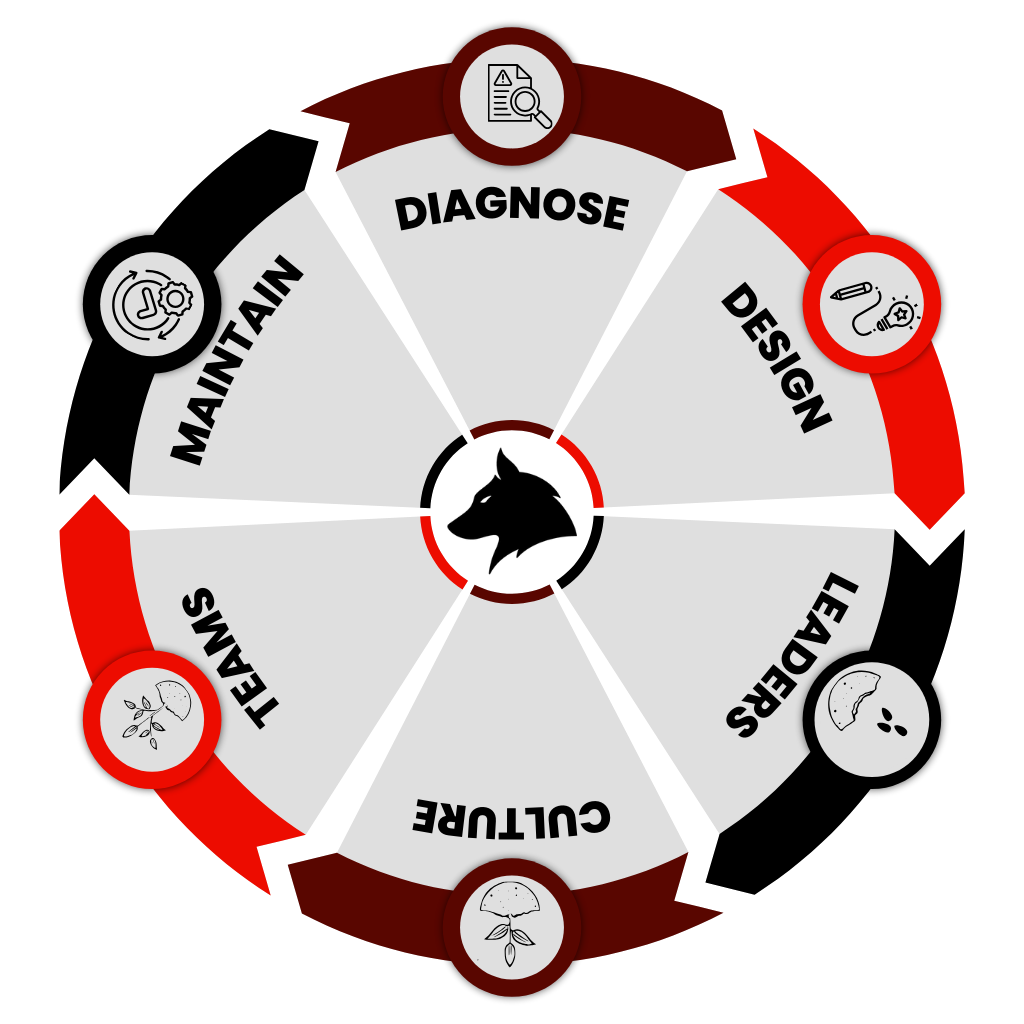
Diagnose: Culture Audit + Turnover Cost + 360 Reviews + Exit Data
Design: Goals + behaviours + program roadmap
Develop Leaders: training + coaching aligned to the data
Develop Teams: targeted team building that mirrors real work dynamics
Develop Culture: shared standards, rhythms, and accountability
Maintain: pulse checks + refreshers + measurement
Step 3: We Built the Ecosystem (Leadership + Team + Culture)
Rather than a one-off event, the organisation implemented an ecosystem that included:
A) Team Development (team building with purpose)
Targeted sessions focused on:
- communication rhythms
- decision clarity
- trust and accountability
- cross-team collaboration
Activities were selected because they mirrored workplace dynamics — not because they looked good on social media.
B) Leadership Development (what leaders do differently, not just learn)
Managers received training and coaching aligned to the 360 review insights:
- leading difficult conversations
- building psychological safety
- giving feedback that doesn’t trigger defensiveness
- setting standards and following through
C) Culture Development (integration is the difference)
Instead of “back to emails and we’ll touch base soon”, they embedded structure:
- weekly/fortnightly leader routines
- meeting reset templates
- shared language and expectations
- ongoing touchpoints to reinforce behaviours
Because without integration, training becomes entertainment.
Step 4: The Maintenance Plan (Where ROI Actually Lives)
This is where executives see the return.
A maintenance plan is not “more work”.
It’s what prevents your organisation paying the same culture costs repeatedly.
A practical maintenance program can look like:
- quarterly pulse leadership checks
- quarterly team events
- leadership coaching touchpoints
- mid-year culture reset
- targeted team interventions when the data says “now”
- regular review cycles for leadership behaviour and accountability
This approach saves money for one reason:
It prevents expensive drift.
Ad hoc culture spends look cheaper in the moment.
But they’re almost always more expensive over the year — because they don’t reduce the causes of turnover, conflict, disengagement, and rework.
Your bar tap increases every year for the work Christmas Party, your recruitment costs continue to rise, productivity drops, industry and customer reputation erodes due to inconsistent players.
The Executive Truth: HR Shouldn’t Be Managing Fires
If HR is spending most of their energy:
- mediating issues
- absorbing leader conflict
- constantly updating job posts
- dealing with avoidable resignations
- patching up preventable cultural damage
- deflecting risk and mitigating potential fallout
- regularly onboarding and offboarding team members
then your organisation has a systems problem, not a people problem.
A culture ecosystem shifts HR from firefighter to strategic partner — while leaders build the capability to lead properly.
What This Looks Like When It Works
When organisations commit to the ecosystem, you see:
- clearer communication and fewer “surprises”
- more consistency between leaders
- issues addressed earlier (before they fester)
- fewer escalations landing in HR
- measurable improvements in trust, retention and performance
- team members are happy to engage with HR and are less guarded with their words
Not because the organisation did more.
Because it did things with intent, consistently, over time.
Ready to Pull It All Together?
If you’ve gathered data — or you’re not sure what data to trust — we can help you build the plan and the ecosystem around it.
Book a complimentary strategy call and we’ll explore:
- the ecology of your culture (what’s being rewarded, tolerated, repeated)
- the science of leadership (what shifts behaviour, not just mood)
- a practical plan that reduces ad hoc spend and protects retention
At minimum, you’ll leave with clarity.
And clarity is where 2026 starts.